-
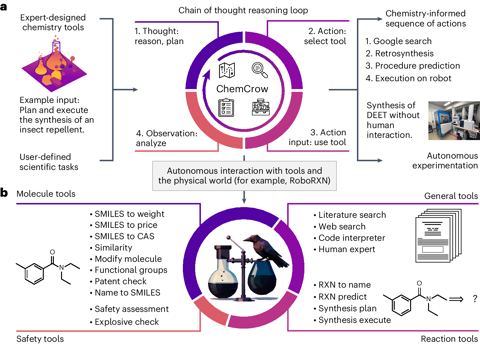
Augmenting large language models with chemistry tools nature.com
Nature Machine Intelligence, 2023. [All Versions]. [Preprint]. This paper introduces ChemCrow, an LLM chemistry agent designed to accomplish tasks across organic synthesis, drug discovery and materials design. By integrating 18 expert-designed tools and using GPT-4 as the LLM…
-
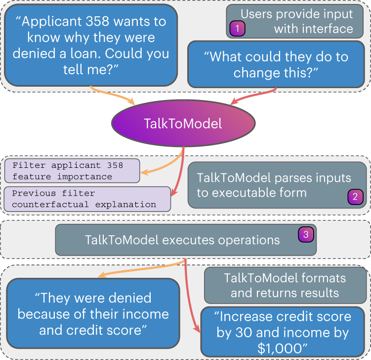
Explaining machine learning models with interactive natural language conversations using TalkToModel nature.com
Nature Machine Intelligence, 2023. [All Versions]. Practitioners increasingly use machine learning (ML) models, yet models have become more complex and harder to understand. To understand complex models, researchers have proposed techniques to explain model predictions…
-
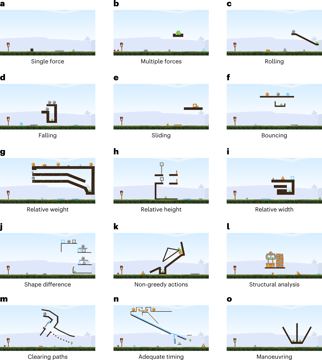
Phy-Q as a measure for physical reasoning intelligence nature.com
Nature Machine Intelligence, 2023. [NMI Challenge]. An interactive benchmark for AI physical reasoning.
-
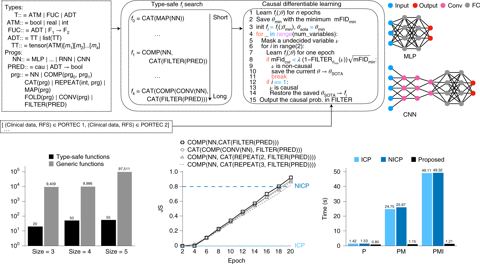
Automated causal inference in application to randomized controlled clinical trials nature.com
Nature Machine Intelligence, 2022. [All Versions]. Randomized controlled trials (RCTs) are considered the gold standard for testing causal hypotheses in the clinical domain; however, the investigation of prognostic variables of patient outcome in a hypothesized cause–effect…
-
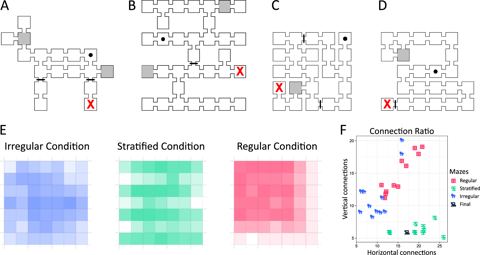
Language as shaped by the environment: linguistic construal in a collaborative spatial task nature.com
Humanities and Social Sciences Communications, 2020. [All Versions]. [Code & Data]. [Dialogue Experimental Toolkit(DiET)]. The present study sets out to experimentally investigate how environmental factors come to shape the emergence of linguistic conventions. To this end, the…
-
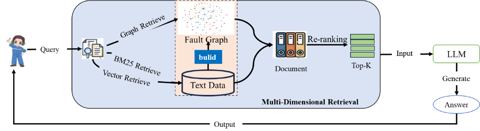
An intelligent guided troubleshooting method for aircraft based on HybirdRAG nature.com
Scientific Reports, 2025. [All Versions]. To enhance aircraft fault diagnosis efficiency, this paper proposes HybridRAG, an intelligent-guided troubleshooting framework that integrates knowledge graphs and large language models (LLMs). Unlike conventional retrieval-augmented…
-
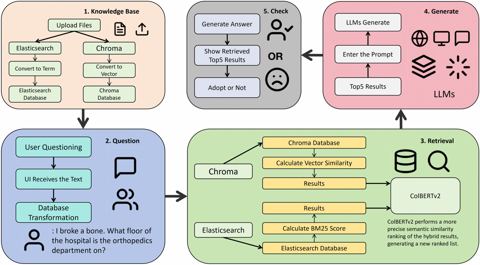
Dual retrieving and ranking medical large language model with retrieval augmented generation nature.com
Scientific Reports, 2025. [All Versions]. Recent advancements in large language models (LLMs) have significantly enhanced text generation across various sectors; however, their medical application faces critical challenges regarding both accuracy and real-time responsiveness…
-
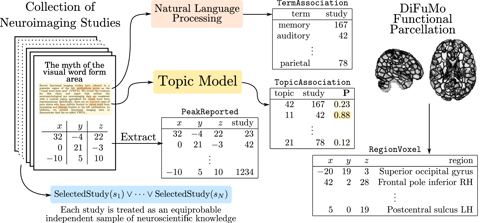
Meta-analysis of the functional neuroimaging literature with probabilistic logic programming nature.com
Scientific Reports, 2022. [All Versions]. Inferring reliable brain-behavior associations requires synthesizing evidence from thousands of functional neuroimaging studies through meta-analysis. However, existing meta-analysis tools are limited to investigating simple…
-
Design of metalloproteins and novel protein folds using variational autoencoders nature.com
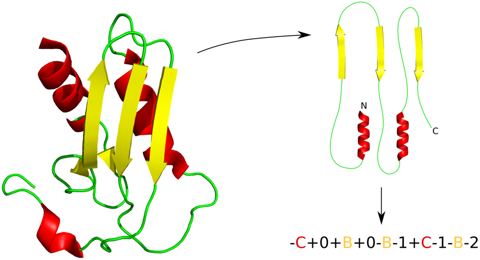
Scientific Reports, 2018. [All Versions]. The design of novel proteins has many applications but remains an attritional process with success in isolated cases. Meanwhile, deep learning technologies have exploded in popularity in recent years and are increasingly applicable to…
-
Using human brain activity to guide machine learning nature.com
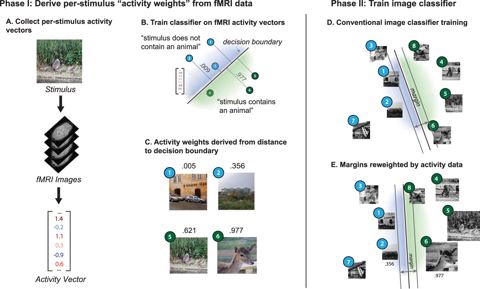
Scientific Report, 2018. [All Versions].
-
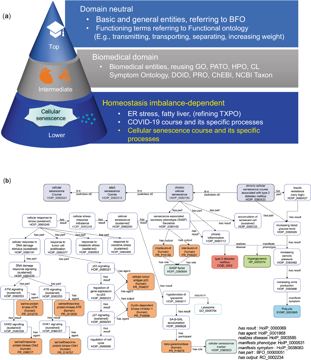
Scientific Data, 2024. [All Versions]. Although cellular senescence is a key factor in organismal aging, with both positive and negative effects on individuals, its mechanisms remain largely unknown. Thus, integrating knowledge is essential to explain how cellular senescence…
-
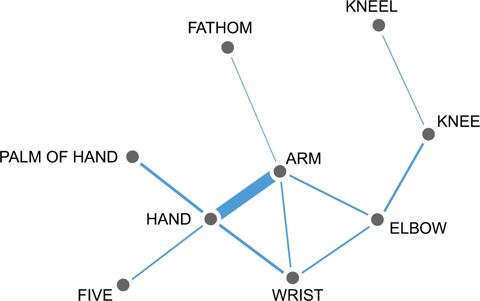
Scientific Data, 2020. [All Versions]. [Project]. Advances in computer-assisted linguistic research have been greatly influential in reshaping linguistic research. With the increasing availability of interconnected datasets created and curated by researchers, more and more…
-
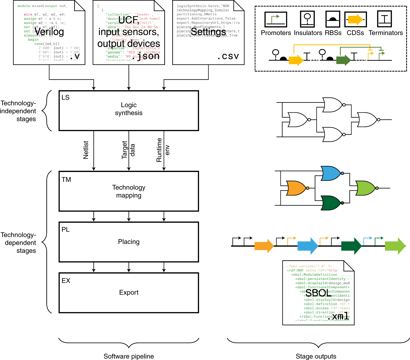
Genetic circuit design automation with Cello 2.0 nature.com
Nature Protocol, 2022. [All Versions]. [Preprint]. Cells interact with their environment, communicate among themselves, track time and make decisions through functions controlled by natural regulatory genetic circuits consisting of interacting biological components. Synthetic…
-
Shared computational principles for language processing in humans and deep language models nature.com
Nature Neuroscience, 2022. [All Versions].
-
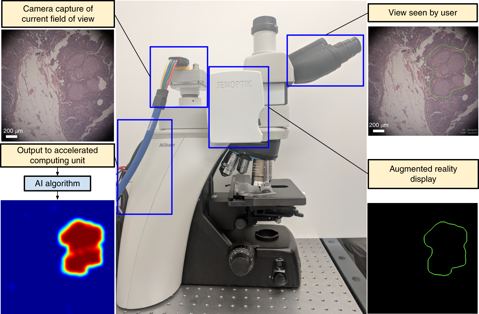
Nature Medicine, 2019. [All Versions]. The microscopic assessment of tissue samples is instrumental for the diagnosis and staging of cancer, and thus guides therapy. However, these assessments demonstrate considerable variability and many regions of the world lack access to…
-
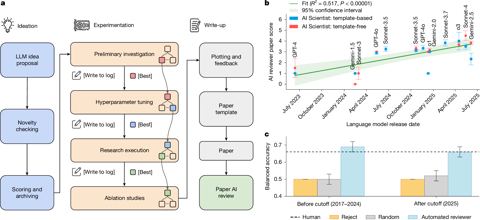
Towards end-to-end automation of AI research nature.com
Nature, 2026. [All Versions]. The automation of science is a long-standing ambition in artificial intelligence (AI) research. Although the community has made substantial progress in automating individual components of the scientific process, a system that autonomously navigates…
-
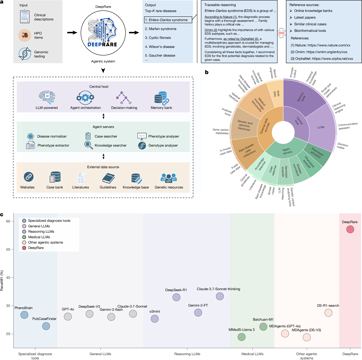
An agentic system for rare disease diagnosis with traceable reasoning nature.com
Nature, 2026. [All Versions]. Rare diseases affect more than 300 million people worldwide, yet timely and accurate diagnosis remains an urgent challenge. Patients often endure a prolonged ‘diagnostic odyssey’ exceeding 5 years, marked by repeated referrals, misdiagnoses and…
-
The Virtual Lab of AI agents designs new SARS-CoV-2 nanobodies nature.com
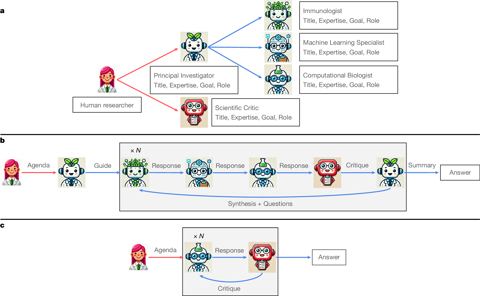
Nature, 2025. [All Versions]. Science frequently benefits from teams of interdisciplinary researchers, but many scientists do not have easy access to experts from multiple fields. Although large language models (LLMs) have shown an impressive ability to aid researchers across…
-
Language is primarily a tool for communication rather than thought nature.com
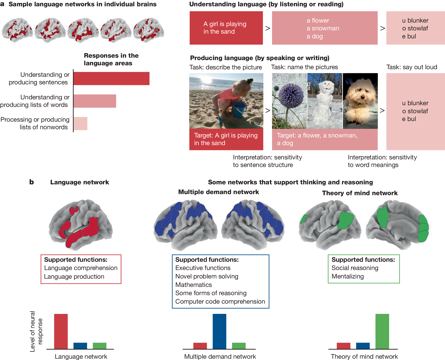
Nature, 2024. [All Versions]. This perspective brings recent evidence from neuroscience and allied disciplines to argue that in modern humans, language is a tool for communication, contrary to a prominent view that we use language for thinking. The authors begins by introducing…
-
Mathematical discoveries from program search with large language models nature.com
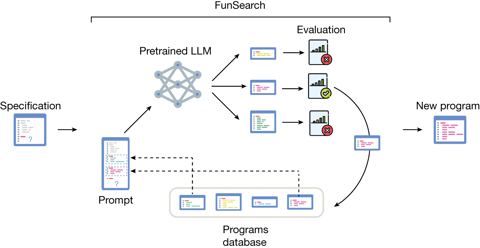
Nature, 2024. [All Versions]. Large language models (LLMs) have demonstrated tremendous capabilities in solving complex tasks, from quantitative reasoning to understanding natural language. However, LLMs sometimes suffer from confabulations (or hallucinations), which can result…
-
Autonomous chemical research with large language models nature.com
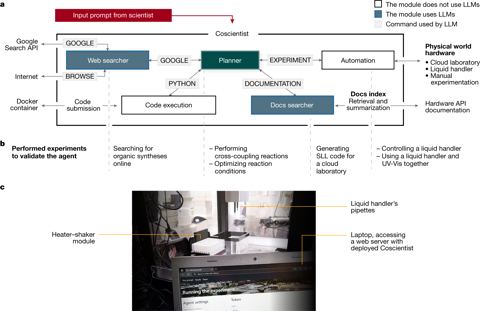
Nature, 2023. [All Versions]. An artificial intelligence system driven by GPT-4 that autonomously designs, plans and performs complex experiments by incorporating large language models empowered by tools such as internet and documentation search, code execution and experimental…
-
An autonomous laboratory for the accelerated synthesis of novel materials nature.com
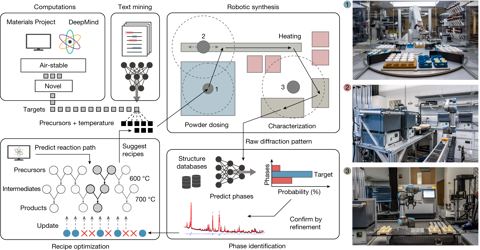
Nature, 2023. [All Versions]. This paper introduces the A-Lab, an autonomous laboratory for the solid-state synthesis of inorganic powders. This platform uses computations, historical data from the literature, machine learning (ML) and active learning to plan and interpret the…
-
A foundation model for generalizable disease detection from retinal images nature.com
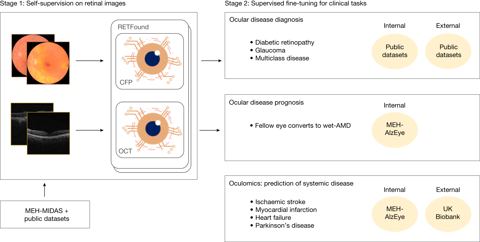
Nature, 2023. [All Versions]. This paper presents RETFound, a foundation model for retinal images that learns generalizable representations from unlabelled retinal images and provides a basis for label-efficient model adaptation in several applications. Specifically, RETFound…
-
Scientific discovery in the age of artificial intelligence nature.com
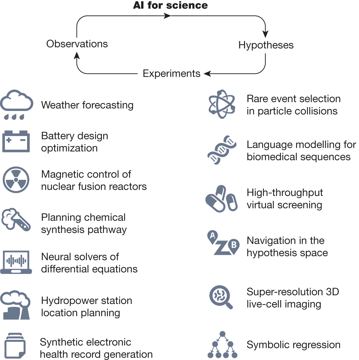
Nature, 2023. [All Versions]. A review article that examines breakthroughs over the past decade that include self-supervised learning, which allows models to be trained on vast amounts of unlabelled data, and geometric deep learning, which leverages knowledge about the…
-
Accurate medium-range global weather forecasting with 3D neural networks nature.com
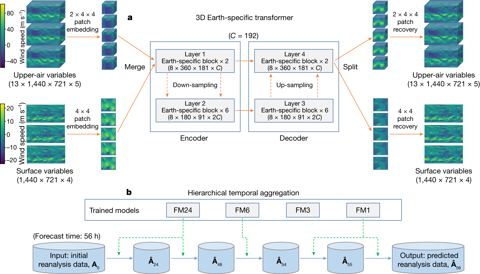
Nature, 2023. [All Versions]. This paer introduces an artificial-intelligence-based method for accurate, medium-range global weather forecasting. It shows that three-dimensional deep networks equipped with Earth-specific priors are effective at dealing with complex patterns in…
-
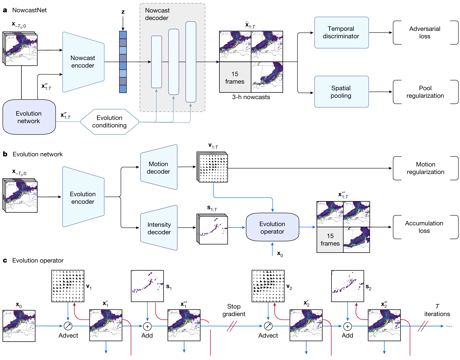
Skilful nowcasting of extreme precipitation with NowcastNet nature.com
Nature, 2023. [All Versions].
-
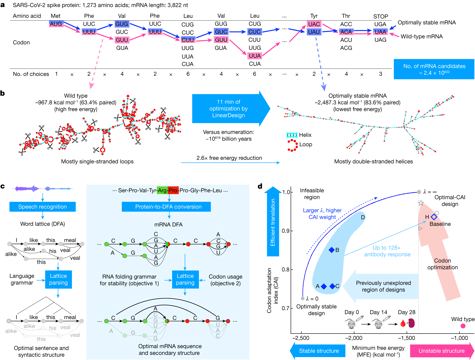
Algorithm for optimized mRNA design improves stability and immunogenicity nature.com
Nature, 2023. [All Versions]. Messenger RNA (mRNA) vaccines are being used to combat the spread of COVID-19, but they still exhibit critical limitations caused by mRNA instability and degradation, which are major obstacles for the storage, distribution and efficacy of the…
-
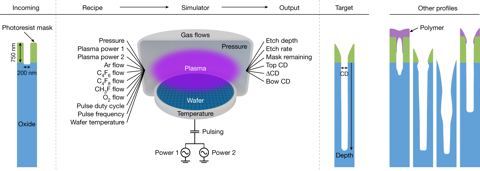
Human–machine collaboration for improving semiconductor process development nature.com
Nature, 2023. [All Versions]. [Nature News]. This work studies Bayesian optimization algorithms to investigate how artificial intelligence (AI) might decrease the cost of developing complex semiconductor chip processes. In particular, this work create a controlled virtual…
-
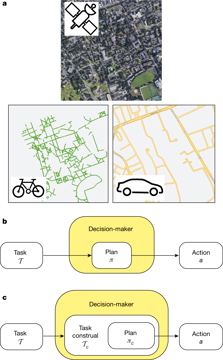
People construct simplified mental representations to plan nature.com
Nature, 2022. [All Versions]. A computational account on rational problem representation in human planning.
-
Triangulation supports agricultural spread of the Transeurasian languages nature.com
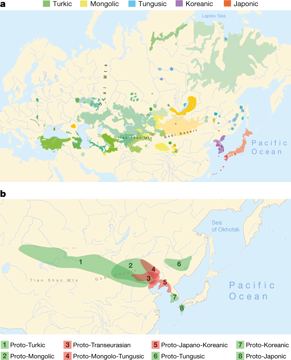
Nature, 2021. [All Versions]. [Nature News]. A triangulation of linguistic, archaeological and genetic data suggests that the Transeurasian language family originated in a population of grain farmers in China around 9,000 years ago, and that agriculture underpinned its spread.
-
Highly accurate protein structure prediction with AlphaFold nature.com
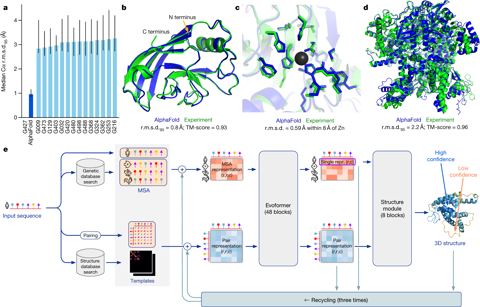
Nature, 2021. [All Versions]. This paper provides the first computational method that can regularly predict protein structures with atomic accuracy even in cases in which no similar structure is known. This approach is a canonical application of observation- and explanation…
-
A mobile robotic chemist nature.com
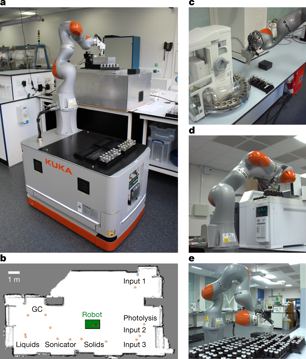
Nature, 2020. [All Versions]. [Preprint]. This work uses a mobile robot to search for improved photocatalysts for hydrogen production from water. The robot operated autonomously over eight days, performing 688 experiments within a ten-variable experimental space, driven by a…
-
Phylogenetic evidence for Sino-Tibetan origin in northern China in the Late Neolithic nature.com
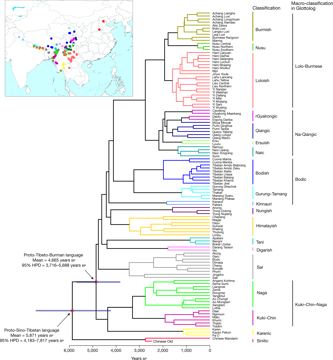
Nature, 2019. [All Versions]. A Bayesian phylogenetic analysis on two competing hypotheses of the origin of the Sino-Tibetan language family suggests that the initial expansion of Sino-Tibetan languages occurred approximately 4,000–6,000 years before present (BP; taken as AD…
-
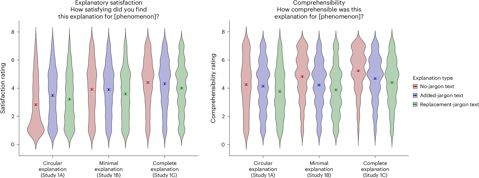
How laypeople evaluate scientific explanations containing jargon nature.com
Nature Human Behavior, 2025. [All Versions]. Individuals rely on others’ expertise to achieve a basic understanding of the world. But how can non-experts achieve understanding from explanations that, by definition, they are ill-equipped to assess? Across 9 experiments with…
-
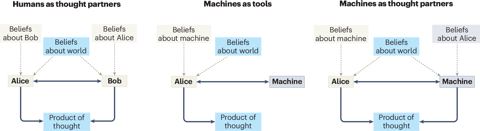
Building machines that learn and think with people nature.com
Nature Human Behavior, 2024. [All Versions]. [Preprint]. This perspective shows how the science of collaborative cognition can be put to work to engineer systems that really can be called ‘thought partners’, systems built to meet humans' expectations and complement humans…
-
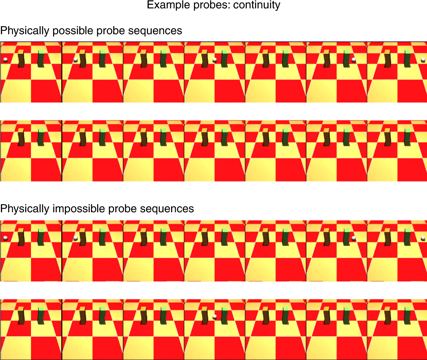
Intuitive physics learning in a deep-learning model inspired by developmental psychology nature.com
Nature Human Behavior, 2022. [All Versions]. A machine-learning dataset designed to evaluate conceptual understanding of intuitive physics, adopting the violation-of-expectation (VoE) paradigm from developmental psychology; a deep-learning system that learns intuitive physics…
-
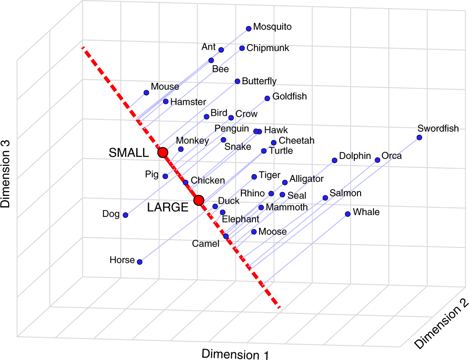
Semantic projection recovers rich human knowledge of multiple object features from word embeddings nature.com
Nature Human Behavior, 2022. [All Versions]. [Preprint]. How is knowledge about word meaning represented in the mental lexicon? Current computational models infer word meanings from lexical co-occurrence patterns. They learn to represent words as vectors in a multidimensional…
-
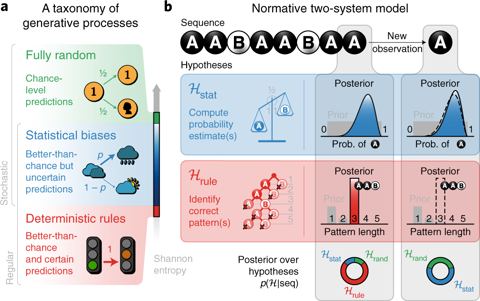
Rational arbitration between statistics and rules in human sequence processing nature.com
Nature Human Behavior, 2022. [All Versions].
-
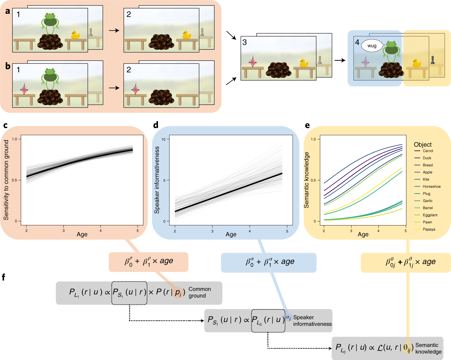
How young children integrate information sources to infer the meaning of words nature.com
Nature Human Behavior, 2021. [All Versions]. Before formal education begins, children typically acquire a vocabulary of thousands of words. This learning process requires the use of many different information sources in their social environment, including their current state of…
-
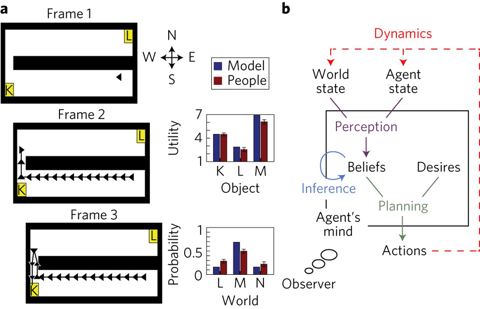
Rational quantitative attribution of beliefs, desires and percepts in human mentalizing nature.com
Nature Human Behavior, 2017. [All Versions]. [Preprint]. This paper presents a model of core mentalizing computations: inferring jointly an actor’s beliefs, desires and percepts from how they move in the local spatial environment. The proposed Bayesian theory of mind (BToM)…
-
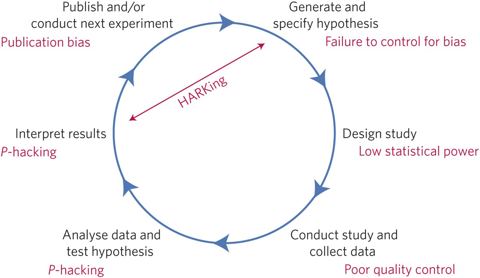
A manifesto for reproducible science nature.com
Nature Human Behavior, 2017. [All Versions].
-
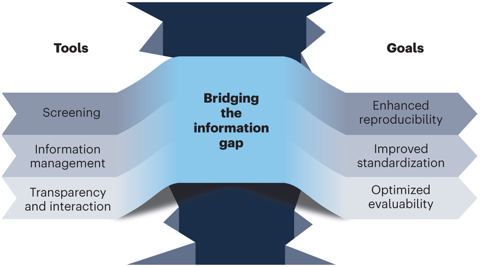
Bridging the information gap in organic chemical reactions nature.com
Nature Chemistry, 2024. [All Versions]. This perspective article formulates eight principles to improve data management in scientific publications relating to data standardization, reproducibility and evaluation, and encourage scientists to go beyond current publication…
-
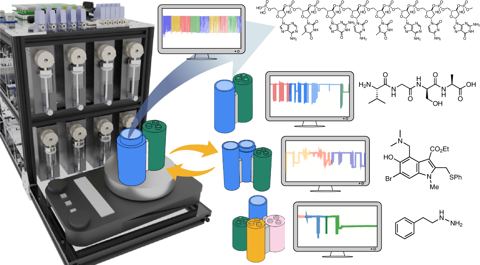
An autonomous portable platform for universal chemical synthesis nature.com
Nature Chemistry, 2022. [All Versions]. [Preprint]. This paper presents a portable suitcase-sized chemical synthesis platform containing all the modules required for synthesis and purification. The system uses a chemical programming language coupled to a digital reactor…
-
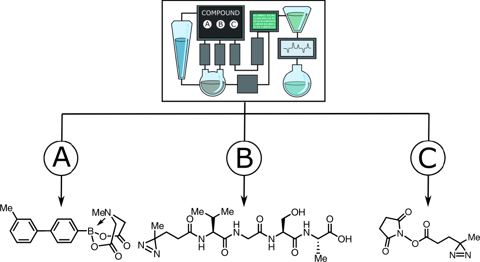
Convergence of multiple synthetic paradigms in a universally programmable chemical synthesis machine nature.com
Nature Chemistry, 2020. [All Versions]. [Preprint]. Although the automatic synthesis of molecules has been established, each reaction class uses bespoke hardware. This means that the connection of multi-step syntheses in a single machine to run many different protocols and…
-
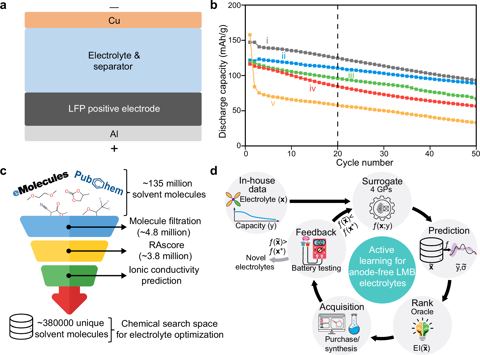
Active learning accelerates electrolyte solvent screening for anode-free lithium metal batteries nature.com
Nature Communications, 2025. [All Versions]. Anode-free or ‘zero-excess’ lithium metal batteries offer high energy density compared to current lithium-ion batteries but require electrolyte innovation to extend cycle life. Due to the lack of universal design principles…
-
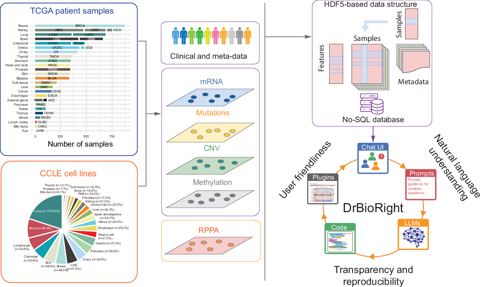
Nature Communications, 2025. [All Versions]. [Project]. Functional proteomics provides critical insights into cancer mechanisms, facilitating the discovery of novel biomarkers and therapeutic targets. The authors have developed a comprehensive cancer functional proteomics…
-
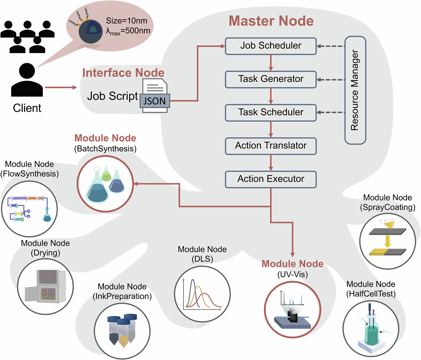
Nature Communications, 2024. [All Versions]. The material acceleration platform, empowered by robotics and artificial intelligence, is a transformative approach for expediting material discovery processes across diverse domains. However, the development of an operating system…
-
Symbolic metaprogram search improves learning efficiency and explains rule learning in humans nature.com
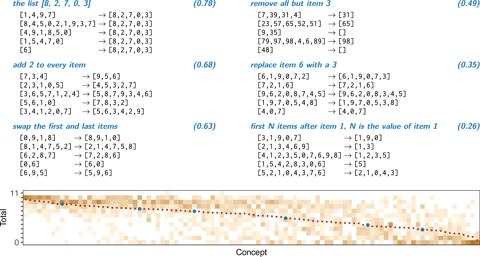
Nature Communications, 2024. [All Versions]. Symbolic models based on program learning successfully explain rule-learning in many domains, but performance degrades quickly as program complexity increases. It remains unclear how to scale symbolic rule-learning methods to model…
-
PatCID: an open-access dataset of chemical structures in patent documents nature.com
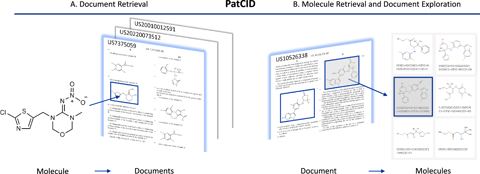
Nature Communications, 2024. [All Versions]. The automatic analysis of patent publications has potential to accelerate research across various domains, including drug discovery and material science. Within patent documents, crucial information often resides in visual depictions…
-
A human-machine interface for automatic exploration of chemical reaction networks nature.com
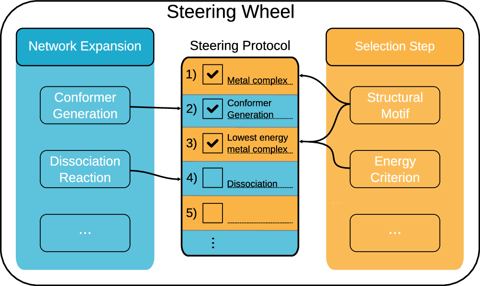
Nature Communications, 2024. [All Versions]. Autonomous reaction network exploration algorithms offer a systematic approach to explore mechanisms of complex chemical processes. However, the resulting reaction networks are so vast that an exploration of all potentially…
- next page of items loading…