DOS
136 items from balintkissdev/awesome-dos ★640
-
Piskworks github.com
Gomoku clone written in C. Works on DOS, ZX Spectrum, ZX81, ZX80, APPLE1, AS400 and Windows.
-
Towers of Hanoi github.com
Tower of Hanoi puzzle game written in Turbo Pascal. Originally released in 1996.
-
GitHub repository github.com
-
Small-C Toolkit github.com
A self-hosting Small-C Compiler Toolkit for DOS(8086) with: K&R C Compiler, Make, Linker, Assembler. First released in 1982 by Jim E. Hendrix.
-
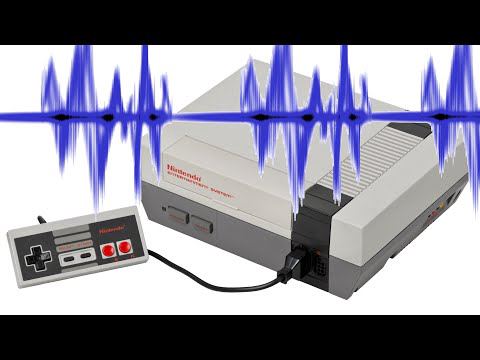
How Oldschool Sound/Music worked - by 8-bit Guy youtube.com
Video about PC speaker, FM synthesizers in NES and Commodore 64, Yamaha OPL chip in AdLib and Sound Blaster sound cards, PCM samples and MOD music.
-
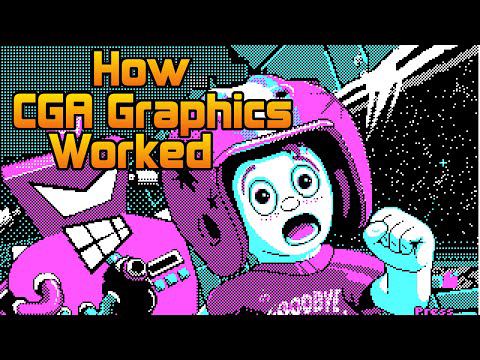
CGA Graphics - Not as bad as you thought! - by 8-bit Guy youtube.com
History and technical details about IBM's CGA system. Also describes 4-color RGBI and 16-color Composite modes.
-
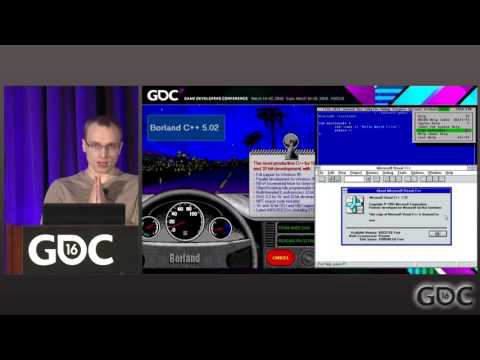
Porting Retro City Rampage to MS-DOS: From PS4 to 1.44MB Floppy youtube.com
GDC talk. Brian Provinciano's presentation on porting Retro City Rampage from PlayStation 4 to DOS. Topics include optimization, using interrupts, timing, PC speaker sound, joystick, memory management and fixed-point math.
-
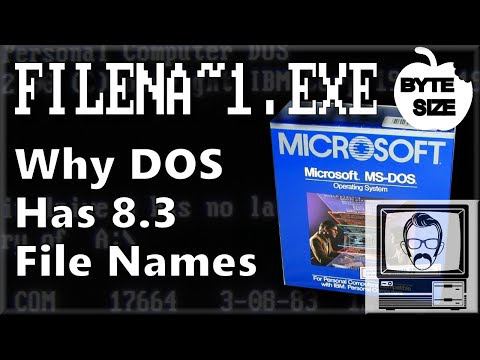
Why does DOS use 8.3 Filenames? - Nostalgia Nerd youtube.com
Video about the 8.3 limitation of filenames under DOS, FAT partitioning scheme, NTFS, VFAT, FatGo, and LFN.EXE.
-
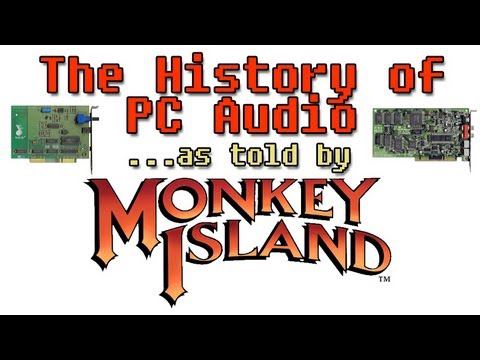
LGR - Evolution of PC Audio - As Told by Secret of Monkey Island youtube.com
Comparison of playing the intro theme of Secret of Monkey Island through PC speaker, IBM PCjr/Tandy, AdLib, Game Blaster, Roland LAPC-1/MT-32, Gravis Ultrasound, Roland SCC-1 MIDI, SB16 Waveblaster/AWE32 and CD quality digital audio.
-
What is DOS Protected Mode? / DOS Extenders- Nostalgia Nerd youtube.com
Video about how PC memory looks like, conventional memory, extender memory and reasons for the need of DOS Protected Mode Interface (DPMI) and extenders like DOS/4GW.
-
MS-DOS has been Open-Sourced! We Build and Run it! - Dave's Garage youtube.com
Former Microsoft employee David Plummer tells stories about development of MS-DOS and compiles MS-DOS 4.00 source code which has been open-sourced by Microsoft.
-
DOS Executables Explained - Nostalgia Nerd youtube.com
Video about DOS executable formats including .COM, .BAT and .EXE.
-
Why DOS Was (and Is) a Thing - FreeDOS youtube.com
Historical talk starting from Unix, going through CPM, DOS 1.x, DOS 2.x, DOS 3.x, DOS 4.x, DOS 6.x, Windows 3.1, Windows 95 and ending with FreeDOS.
-
Let's Code - MS DOS - by root42 youtube.com
DOS programming tutorial series including VGA, SoundBlaster and VGA Mode X.
-
VGA Hardware - OSDev wiki wiki.osdev.org
Hardware guide for VGA cards that is also relevant for modern graphics cards including NVidia and ATI.
-
VESA Video Modes - OSDev wiki wiki.osdev.org
Tutorial about querying VESA modes.
-
Arch Wiki page wiki.archlinux.org
-
Mario wieringsoftware.nl
Super Mario Bros clone written in Turbo Pascal.
-
David Brackeen - 256-Color VGA Programming in C web.archive.org
Tutorial series to learn how to create graphics on DOS, written in 1996.
-
Game Engine Black Book: Wolfenstein 3D - by Fabien Sanglard web.archive.org
Fabien Sanglard's walkthrough on the game engine architecture of id Software's Wolfenstein 3D on the IBM PC's hardware. Contains forewords by John Carmack, Tom Hall and John Romero.
-
Game Engine Black Book: Doom - by Fabien Sanglard web.archive.org
Fabien Sanglard's walkthrough on the game engine architecture of id Software's original Doom on Intel 486 system and game console ports. Contains forewords by John Carmack, Dave Taylor and John Romero.
-
documentation web.archive.org
is very valuable in order to understand working with both version 1.9 and the V2 fork.
-
Open Watcom web.archive.org
Formerly commercial C/C++ development environment for 16- and 32-bit DOS and Windows. The current official version is 1.9. A GitHub fork is also available. Used for Doom I-II, Warcraft I-II, Duke Nukem 3D, Full Throttle, Dark Forces and Retro City Rampage.
-
MaiZure's Projects - Decoded: Sopwith web.archive.org
Code analysis by MaiZure.
-
Sound Blaster 16 Programming Document 3.5 by Ethan Brodsky web.archive.org
Programming the Sound Blaster 16 DSP CT1341 chip for recording and playback of digitized audio.
-
Frequencies of Musical Notes web.archive.org
Frequency table usable to parameterize the PC speaker.
-
Graphical programming in Assembly (DOS) web.archive.org
A VGA programming tutorial that also shows the list of video modes (text, CGA, EGA, VGA, SVGA) in a table at the beginning.
-
Alex Russell's Dos Game Programming in C for Beginners web.archive.org
DOS game programming tutorial series including a primer on C, graphics, animation, input handling and collision detection. This series contains a tutorial for making buffered input handling. Last chapter contains full source code of a Break Out game on DOS.
-
Color Graphics Adapter: Notes web.archive.org
Document describing the hardware, memory map, register I/O and hardware clones of the IBM's original CGA.
-
Table of DOSBox cyclecounts according to processor types web.archive.org
A table for setting the appropriate DOSBox cycle count according to CPU types (IBM XT 88, 286, 386, 486, Pentium I, Pentium II). Comes handy when you are developing a DOS game and want to simulate the environment where you intend to execute it.
-
PC Game Programmer's Encyclopedia web.archive.org
Collection of guides covering assembly, sound (Sound Blaster, Gravis UltraSound, PC Speaker, GameBlaster, Adlib), input, memory (EMS, XMS, DMA Transfers), PIT, VGA, SVGA, algorithms and file formats.
-
Ralph Brown's Interrupt List - HTML version web.archive.org
List of every documented and undocumented interrupt call known, accessible through search, categories and interrupt numbers.
-
A to Z of C - a book on C/DOS programming by K. Joseph Wesley and R. Rajesh Jeba Anbiah web.archive.org
Non-profit book on programming in C on DOS. DOS system programming starts from Part II.
-
Ralph Brown's website web.archive.org
-
The Artevida Game Programming Tutorials web.archive.org
Kevin Matz's almost book-length treatment of DOS system programming and VGA programming fundamentals using C/C++ and 80x86 assembly. Unfortunately it is incomplete and was abandoned since 2001.
-
DOS Super VGA / VESA programming notes - by Myles web.archive.org
VESA article with history at the beginning and short mention of the VESA VBE standard, but unfortunately the example codes aren't even available through Wayback Machine.
-
Source code download link web.archive.org
-
Beneath a Steel Sky web.archive.org
Point-and-click adventure game set in a dystopian future. Written in assembly.
-
Programming MS-DOS with Power - DOS Programming, Undocumented DOS, and DOS Secrets web.archive.org
System programming tutorials like disk handling, interrupts, inputs, sound, graphics.
-
Programmer's Guide to the Yamaha YMF 262/OPL3 FM Music Synthesizer web.archive.org
Reverse-engineered reference on OPL3.
-
The Ad Lib Music Synthesizer Card Programming Guide - by Tero Töttö web.archive.org
Reference of OPL2 operations and registers.
-
Values for standard video mode web.archive.org
List of all known video modes including BIOS interrupt numbers, text/pixel resolution, number of colors and video memory addresses.
-
Sopwith web.archive.org
Side-scrolling shoot 'em up created by David L. Clark in 1984. The game involves piloting a Sopwith biplane, attempting to bomb enemy buildings while avoiding fire from enemy planes and various other obstacles.
-
High-res high-speed VESA tutorial web.archive.org
Series of tutorials that include drawing pixels in VESA mode (protected or real).
-
C code sample for drawing in VESA 2.0 mode web.archive.org
Just code listing for drawing an ellipse in VESA mode.
-
George M. Tzoumas's collection of MS-DOS games and utilities web.archive.org
Turbo Pascal with few games in C and C++. Games include Nibbles, Connect Four, Ms Pacman clone and two arcade/platform games. One of them (ra2) was written using Allegro. Utilities are all written in Turbo Pascal, these include game system routines, file and disk utilities and…
-
Soundblaster Programming Information v0.90 web.archive.org
List of Sound Blaster models and registers.
-
Abuse web.archive.org
Sci-fi side-scrolling platform game. Regarded as an innovative cult classic by most people. Supports SVGA mode up to 1280x1024 resolution. Written in C, the architecture includes a Lisp-scripting engine.
-
Duke Nukem 3D web.archive.org
FPS developed by Apogee featuring the iconic character Duke Nukem. Written in C. Compiled with Watcom C/C++ 10.0.
-
Cyberdogs web.archive.org
Top-down 2D shooter playing as a mercenary to earn money. Written in Turbo Pascal. Supports two player mode.
- next page of items loading…