Get your open hardware manufactured
Tips by Ian of Dangerous Prototypes.
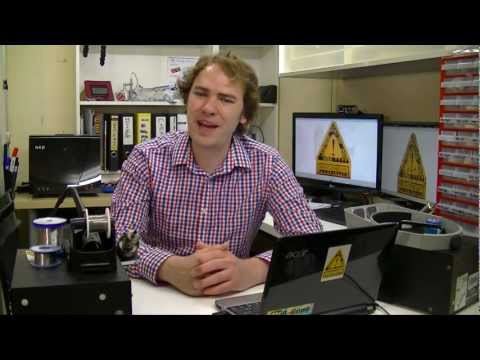
transcript
welcome to dangerous prototypes I'm Ian today we're going to talk about manufacturing open Hardware specifically the four main ways that we see open Hardware being manufactured today and then after that we'll go through the materials we send off to Seed Studio when we have a new project made this is a real nuts and bolts presentation we've been giving all over the world for the last year the first time was part of a discussion group at the open Hardware Summit last year and then we had the privileged to give it in London and Tokyo and most recently at the Bay Area maker fair I'm Ian from dangerous prototypes tocom it may actually be the website surrounding this video or maybe you're watching us somewhere else what we do is open source Hardware that means all the files documentations pictures all the stuff associated with our Electronics projects you can download that and remix it reuse it in your own projects just about however you want we don't actually do any manufacturing on our own all of our stuff is made and sold by Seed Studio directly from China we do very small batches of Hardware we're not making a ton of stuff we used to do as was 20 now generally we start with 100 and then work our way to 500 and a th000 after that if a Project's successful I got my start as a maker posting howtos and instructables.com and later I went on to work for DIY life and the hackaday blog so the first thing we should talk about is why even bother manufacturing Open Source Hardware well we feel that manufacturing Hardware brings together Geeks Who can etch their own circuit boards solder things up buy parts and a huge community of software uh and other developers who have a lot to contribute to open source but can't necessarily build boards themselves and Manufacturing sort of bridges that gap between these two groups and in order to have a thriving Open Source Hardware Community we need to have people who can design web pages write great documentation and do stuff other than just raw Hardware design so the question is how do you get started manufacturing that first project we found about four basic ways that open Hardware is being manufactured today it varies in the level of involvement how much stuff you have to do and of course Al the amount of money that you make so the four we identified were licensing full Outsourcing contract manufacturing Andy assembly we'll talk about each in depth now licensing a project to a manufacturer is probably the easiest way to get it made in licensing maybe you have a popular design that's that's developed a community around it and you're ready for the next step you can submit it to a place like spark fun or at of fruit or maybe they even approach you and say hey we think this is cool and we'd like to manufacture it the licenser takes all the risk they'll usually redesign your Hardware to fit their standard parts list they'll also front the cash and and make the first inventory purchase they'll sell everything from their website they take care of just about everything you as the project Creator generally get to support their users and get in general from the four or five offers we've had to license different projects you get generally 10% of the profit that the manufacturer makes by selling your Widget the downside of this is you don't have a lot of control over the quality of the brand there's very few options to expand because only the absolute best projects the the top projects that already have an existing community that seem like they could be profitable for someone to take on those are the only ones that are going to be picked up for a licensing deal however you can manage licensing is certainly easier than any other method and if you're just doing a project for fun and you'd like copies of it to be out there if you can get a licensing deal it may be the perfect solution for you fulfillment is what dangerous prototypes does with Seed Studio when we have a new design we send off a list materials and the parts files and they give us a quote for 100 500 and a th000 we decide how many to stock in their store and they take care of the manufacturing and sell it from their web shop here we have a lot more responsibilities than we would under a licensing scheme we support users we're also in charge of inventory management not just making sure we keep things in stock but making sure we don't have widgets rotting in a warehouse in China somewhere we also take care of wholesale we arrange our own wholesale orders with wholesalers all around the world we really like this Arrangement because we get to concentrate on design which is what we like best C Studio takes care of all the boring stuff like manufacturing putting things in boxes making sure they get to the post office and handling returns contract manufacturing is how most things in the world get made Xboxes iPhones all these kind of things are built by professional assembly houses that do nothing but build boards here you run almost the entire business the only part you're sending out is the actual manufacturing itself depending on the assembly house you may need to send a box with parts and circuit boards and then they actually take care of assembling the boards some of them may be able to get that stuff for you with contract manufacturing you're doing just about everything you're receiving inventory and keeping it in stock you're running a website where you sell things you also do fulfillment which means putting things in boxes putting stamps on them taking them to the post office also handle returns and wholesale conduct manufacturing is a great way to go if you want to sell things from your own website but don't want the hassle of manufacturing things on your own next up is DIY assembly this is where you handle absolutely every part of the manufacturing and sales process we see this breakdown into two basic categories the first is small volume this works for kits an example of this is the nanode it's a small Arduino board with an Ethernet section attached kin kits these up by hand and then ships them out all over the world another example is actually assembling small volumes of Hardware yourself our friend Brian at Teo Labs assembles small volumes of his surface Mount projects himself and then ships out the completed boards for the big fish there's the pick and place machine this is an awesome robot with big reels of parts and an arm that places the components on the circuit board that way they're ready to run through an oven and be soldered all at once this is the fabled garage assembly line and while it's fantastic if you have enough volume to support it we find most small Hardware shops actually regret going the pick and place route you can buy a pick and place machine but then you'll spend the next 6 months or so learning how to use it and getting it to work consistently L every time we give this presentation we meet several people afterwards who say you know I did that I thought I could set up a garage assembly line and build my own boards and absorb all that profit but in the end I spent 6 months learning how to use the machine and didn't even get it work satisfactorily at the end so they end up going a contract manufacturing or fulfillment route that 6 months is valuable time you can use to develop your project new projects and you lose that learning to work with the pick and place machine it really is a full-time job in contrast to that we've also heard the flip side of the story which is that people started trying to build their own stuff with a pick and place machine and then eventually ended up doing that full- time because they found it was more profitable to work on other people's boards full-time than use it occasionally to build their own stuff so our advice on the pick and place machine is unless you have the volume of an adaa fruit or a spark fun and can run it several hours a day just avoid it so next we'll move on to the second part of the presentation which is looking at the actual materials we send to C Studio when we start a new project this isn't going to be the same for all the different methods of manufacturing Hardware but these are the basic nuts and bolts of what goes into producing a new product the board files and Gerbers contain the actual circuit board for the project as well as showing where each part goes and its correct orientation we use cadsoft Eagle for our boards it's free but not open source however a huge chunk of the open Hardware Community uses it so you find a ton of footprints and a ton of existing projects already in Eagle Gerber files are a standard format that any circuit board manufacturer can use to build circuit boards just about anywhere in the world if you find a board manufacturer you can send them Gerbers and they can return you a PCB if catssoft Eagle files are like a Word document where you can still change things then Gerber files are like a PDF where things are static but they look the same wherever they're displayed for each project we also send a part list or a bill of materials often shortened to Bo this is all the stuff is actually stuck to the board including the values and any special information about it we usually it as a spreadsheet you can see an example here it lists the part number a short description the value the package which means size and how many go on the board for common stuff we usually just specify the value the voltage and the size so that's things like capacitors resistors crystals we can just specify a 16 MHz Crystal and the package we need for more specific stuff like transistors or microcontrollers we actually specify a complete part number dangerous prototypes maintains a master part list on our Wii and we try to design all of our projects around these parts it's what we stock in the workshop so it's cheaper to use also these are things we're fairly certain that they can find local substitutes for in China at reduced prices you also need to send the firmware software or anything that needs to be programmed into a chip on your project this could be a hex file for a microcontroller or it could be a a JTAG programming file for a cpld or field programmable gatoray we also need to send programming instructions and any utilities that are actually used to program the firmware into the chip so we have to send complete documentation to seed explaining how they actually get the stuff into the chip and get it ready to ship a test plan is super important this is the procedure used to determine whether something's working before it's shipped out to a customer nobody likes getting a dead device and then waiting for a replacement to ship and the test plan is was going to help make sure that the customer gets working parts every time here you can see an example of the bus pirate self test by bridging two pin the bus pirate can test its own hardware and be relatively certain that everything is stuck to the board properly and working think about your test plan early preferably during the design phase it's really hard to bring out test pin or build a test rig if you haven't thought about it when you started designing it may be very difficult later to get things out to a convenient place for an easy and quick automated test clear back in the beginning when we started working with seed they would build our prototypes from just the files and the description alone we had lots of problems making sure everything worked right now we start sending prototypes every time and it goes a lot smoother copy is the pictures and text that actually sell your project to people there's a whole industry built around writing advertising copy we're not particularly good at it we try to give lots of facts a realistic feature list saying what exactly this device can do we consulted with a few copywriters and one actually suggested we make an emotional appeal well it's not really clear to us how you make the bus pirate appeal to your emotions so instead we try to sell with facts we try to give clear clearly stated features and then links to all the manuals and documentation somebody would need to decide if our project's actually going to do what they want and be helpful in their own project we also try to take adaf fruit suggestion and have good action picture of our Hardware whenever possible that means showing it in you showing what it can do showing it doing whatever it does so that's our overview of the four manufacturing process is commonly used to make Open Source Hardware today licensing which means someone else makes your widget and you're just providing support doing the bare minimum fulfillment where you're actually starting to take charge of stock and inventory but someone else takes care of manufacturing selling things and running a website contract manufacturing where you're taking care of everything except the assembly part itself and finally DIY assembly where you're doing absolutely everything yourself including assembly then we gave a short overview of the things we send to Seed Studio for a new project these aren't the same as used for every manufacturing process but these are fairly common things that includes design files including our Eagle files and our Gerbers a prototype to base their prototype off of a part list or the things that get stuck to the board programming files and software anything that gets put into chips on your project and instructions for doing that a test plan that says how to make sure the project is working when it leaves your workshop and finally copy the text and advertising materials used to sell a device hopefully you can take some of these things home and use them when you design your own projects we've given this this presentation a lot so we're going to move to something new for future conferences but we're still available to talk about open Hardware manufacturing if you have an event or something you'd like us to attend thanks for watching we'll be back next week with a new project
- from
- Open Hardware
- added
- 2026-10-10
- likes
- 0
Open Hardware › Talks: “Tips by Ian of Dangerous Prototypes.”