Robotic search for optimal cell culture in regenerative medicine
eLife, 2022. [All Versions]. This paper develops a robotic AI system with a batch Bayesian optimization algorithm that autonomously induces the differentiation of induced pluripotent stem cell-derived retinal pigment epithelial (iPSC-RPE) cells. From 200 million possible…
- from
- AGI & CoCoSci
- added
- 2026-10-10
- likes
- 0
similar
-
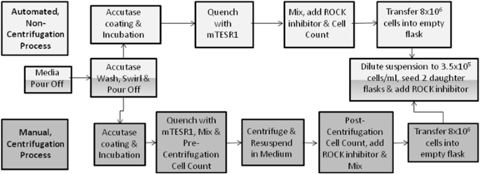
Comparability of automated human induced pluripotent stem cell culture: a pilot study link.springer.com
Bioprocess and Biosystems Engineering, 2016. [All Versions].
-
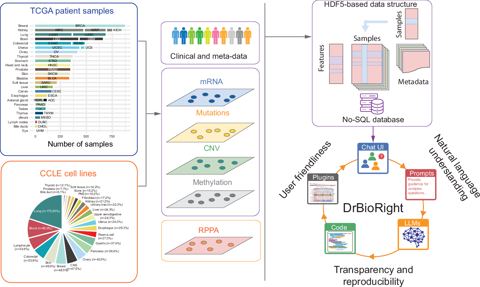
Empowering biomedical discovery with AI agents cell.com
Cell, 2024. [All Versions]. The authors envision “AI scientists” as systems capable of skeptical learning and reasoning that empower biomedical research through collaborative agents that integrate AI models and biomedical tools with experimental platforms. Rather than taking…
-
CellOT github.com
Neural optimal transport framework for predicting single-cell responses to drug and genetic perturbations.
-
Nature Communications, 2025. [All Versions]. [Project]. Functional proteomics provides critical insights into cancer mechanisms, facilitating the discovery of novel biomarkers and therapeutic targets. The authors have developed a comprehensive cancer functional proteomics…
-
Advanced Robotics people.eecs.berkeley.edu
-
Robotic vision qut.edu.au

AGI & CoCoSci › Papers > Science Logology > Laboratory Automation: “eLife, 2022. [All Versions]. This paper develops a robotic AI system with a batch Bayesian optimization algorithm that autonomously induces the differentiation of induced pluripotent stem cell-derived retinal pigment epithelial (iPSC-RPE) cells. From 200 million possible…”