The Monsters in Your Build Cache – GitHub Actions Cache Poisoning
Allows attackers to compromise workflows even with limited permissions by exploiting vulnerabilities or dependency flaws, attackers steal cache tokens, fill the cache to force evictions, and replace legitimate entries with malicious code.
- from
- CI/CD Attacks
- added
- 2026-10-10
- likes
- 0
similar
-
Unpinnable Actions: How Malicious Code Can Sneak into Your GitHub Actions Workflows paloaltonetworks.com
GitHub Actions, even when pinned to a commit SHA, can still pull in malicious code via mutable dependencies like Docker images, unlocked packages, or external scripts.
-
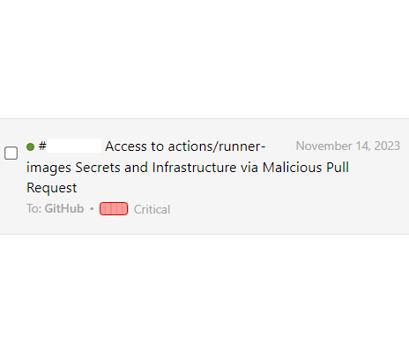
One Supply Chain Attack to Rule Them All – Poisoning GitHub's Runner Images adnanthekhan.com
A critical vulnerability in GitHub Actions, involving a misconfigured self-hosted runner in the actions/runner-images repository, allowed potential compromise of all GitHub and Azure hosted runner images.
-
Vulnerable GitHub Actions Workflows Part 1: Privilege Escalation Inside Your CI/CD Pipeline legitsecurity.com
GitHub Actions workflow_run PE.
-
The GitHub Actions Worm: Compromising GitHub Repositories Through the Actions Dependency Tree paloaltonetworks.com
A novel GitHub Actions worm exploits the action dependency tree. Attackers compromise an action, then infect dependent actions via branch pushes or tag overwrites, spreading malware recursively.
-
-
Bypassing required reviews using GitHub Actions medium.com
GitHub Actions can bypass required reviews, allowing malicious code pushes to protected branches.


CI/CD Attacks › Techniques > Initial Code Execution: “Allows attackers to compromise workflows even with limited permissions by exploiting vulnerabilities or dependency flaws, attackers steal cache tokens, fill the cache to force evictions, and replace legitimate entries with malicious code.”