Baldur's Gate II: The Anatomy of a Sequel
Baldur's Gate II, developed by BioWare, focused on improving upon the original game by refining the development process, learning from past mistakes, and incorporating player feedback. Modern game developers can apply these lessons by prioritizing features, establishing clear…

- from
- Game Production
- added
- 2026-10-10
- likes
- 0
similar
-
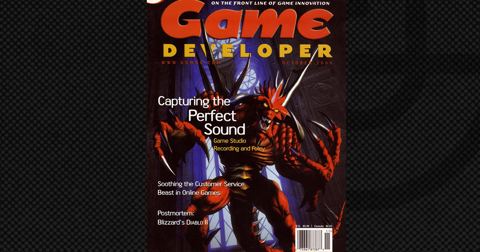
Blizzard's Diablo II gamedeveloper.com
Diablo II, developed by Blizzard Entertainment, focused on refining and expanding the gameplay mechanics of the original Diablo, while also addressing player feedback and criticisms. Modern game developers can learn from this approach by continually iterating on their game's…
-
Irrational Games' System Shock 2 gamedeveloper.com
System Shock 2, developed by Irrational Games, was a sequel created under challenging circumstances, including inexperienced developers, tight deadlines, and a small budget. Modern game developers can learn from the team's ability to adapt to these constraints and design within…
-
Agile Game Development: Build, Play, Repeat amazon.com
Comprehensive guide to implementing agile methodologies in game development, covering topics from team dynamics to production processes. The book features case studies, practical tips, and exercises that provide readers with a hands-on approach to creating successful games with…
-
Ensemble Studio's Age of Empires II: Age of Kings gamedeveloper.com
Age of Empires II: Age of Kings was developed by Ensemble Studios with the aim of improving upon the original game in every aspect, from graphics to user interface. Modern game developers can learn from Ensemble's dedication to innovation within the genre and their use of tools…
-
Interpreting Feedback and Maintaining Your Vision gdcvault.com
Andy Nguyen (Pocketwatch Games)
-
Creating a Sequel to a Game That Doesn't Need One youtube.com
Chet Faliszek, Erik Wolpaw (Valve)





Game Production › 📰 Articles > Post-mortems: “Baldur's Gate II, developed by BioWare, focused on improving upon the original game by refining the development process, learning from past mistakes, and incorporating player feedback. Modern game developers can apply these lessons by prioritizing features, establishing clear…”