Security Scorecard
State of South Koreas Cybersecurity (2026) - Analyzes the cybersecurity posture of South Korea’s top one hundred publicly traded companies by evaluating externally observable risk signals and supply chain dependencies. Findings reveal that 46 percent of these organizations…

- from
- Annual Security Reports
- added
- 2026-10-10
- likes
- 0
similar
-
SecurityScorecard securityscorecard.com
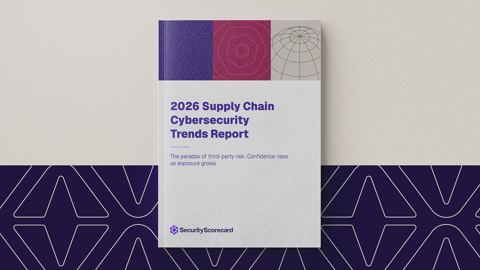
Supply Chain Cybersecurity Trends Report (2026) - Examines the current state of third-party risk management and the growing disconnect between leadership confidence and actual supply chain security maturity. Key findings reveal that while 90 percent of leaders believe they can…
-
Security Score Card securityscorecard.com
Third Party Breach Report (2025) - Analyzes the landscape of third-party cyber risk and its impact on organizations globally. Key findings indicate a significant increase in third-party breaches, with Retail & Hospitality and Technology sectors experiencing the highest…
-
-
Korean Internet & Security Agency (KISA) kisa.or.kr
South Korea's government agency dedicated to promoting cybersecurity and a safer internet environment.
-
Kaspersky securelist.com
Security Services Global Report (2026) - Analyzes global threat intelligence and security service metrics to uncover prominent adversary tactics and regional targeting trends. Key findings reveal that the government sector accounts for 19 percent of attacks while ransomware…
-
K7 Security k7computing.com
Cyber Threat Monitor Report (2025) - Analyzes the global cyber threat landscape and its impact on various industries, highlighting evolving attack vectors and prevalent malware. Key findings indicate a significant rise in human-centric phishing attacks and the persistent…


Annual Security Reports › Analysis Reports > Regional Assessments: “State of South Koreas Cybersecurity (2026) - Analyzes the cybersecurity posture of South Korea’s top one hundred publicly traded companies by evaluating externally observable risk signals and supply chain dependencies. Findings reveal that 46 percent of these organizations…”